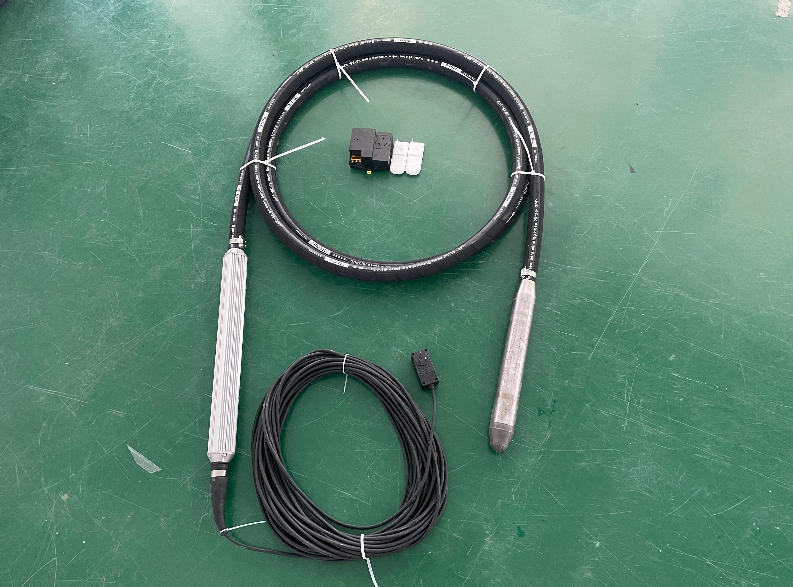
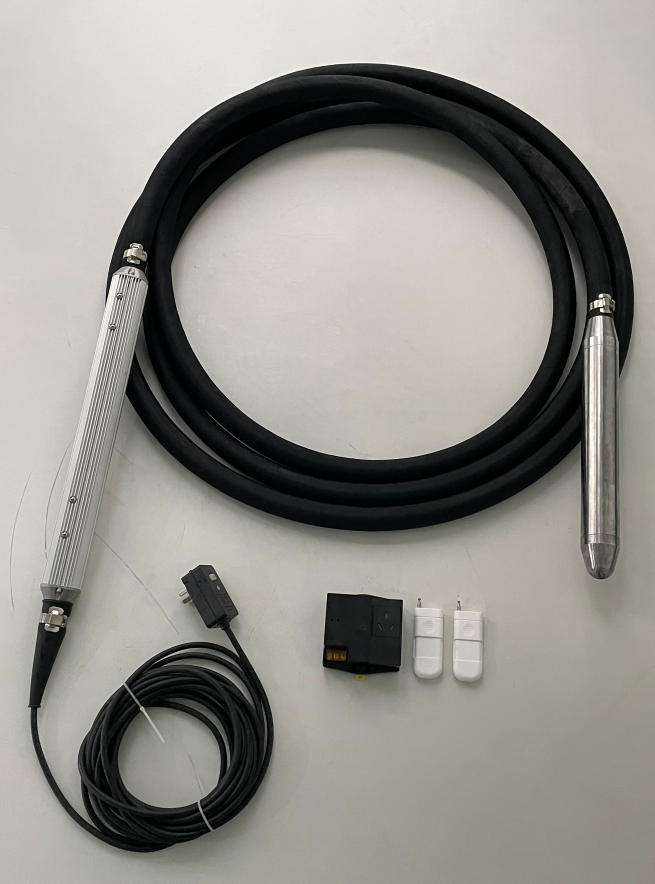
Optimizing Precast Plant Efficiency with a High-Frequency Intelligent Concrete Vibrator
Release time: 2026-05-22
Table of Contents
In modern precast manufacturing, efficiency, consistency, and automation are no longer optional—they are the foundation of profitability. As precast plants face increasing pressure to reduce labor costs, shorten production cycles, and improve concrete quality, vibration technology has become a critical factor in production optimization. Among the latest innovations transforming the industry is the precast intelligent concrete vibrator, a smart solution designed to deliver precision compaction, stable performance, and real-time operational control.
Traditional vibration systems often rely heavily on manual operation and operator experience. This can lead to inconsistent concrete density, surface defects, excessive energy consumption, and unnecessary wear on molds and equipment. By comparison, a high-frequency intelligent concrete vibrator uses advanced frequency control, sensor feedback, and intelligent adjustment algorithms to optimize vibration performance throughout the casting process.
For precast concrete manufacturers producing wall panels, beams, pipes, bridge segments, hollow-core slabs, and other structural components, adopting intelligent vibration systems can significantly improve plant efficiency while maintaining higher product quality standards.
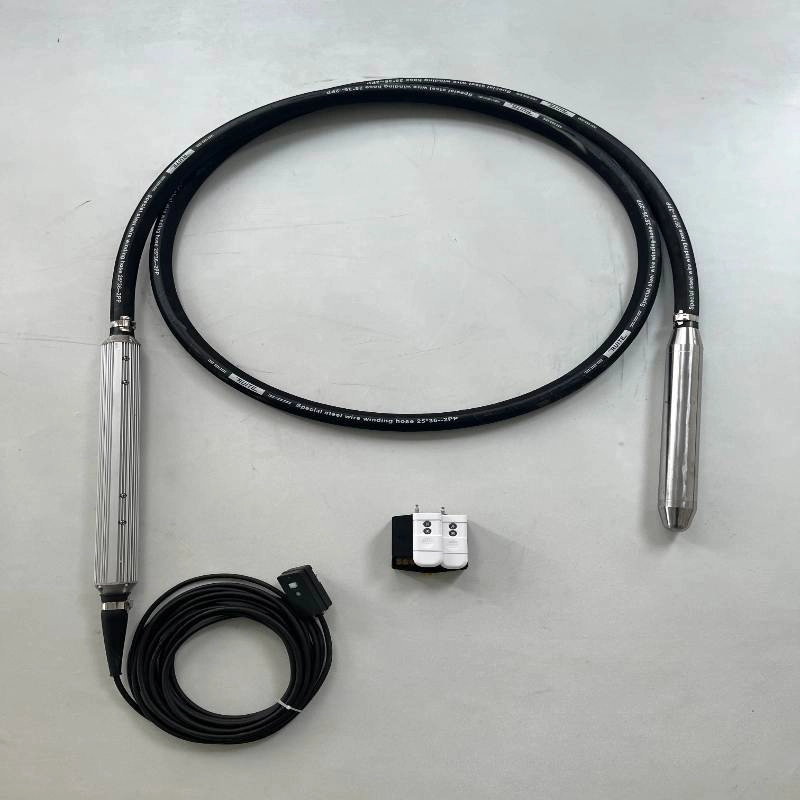

Why Vibration Quality Matters in Precast Production
Concrete vibration directly affects:
- Internal density
- Air bubble removal
- Surface finish quality
- Structural strength
- Mold filling consistency
- Production cycle time
Improper vibration may result in:
| Common Problem | Production Impact |
|---|---|
| Honeycombing | Reduced structural integrity |
| Surface voids | Increased repair costs |
| Uneven compaction | Inconsistent product quality |
| Over-vibration | Aggregate segregation |
| Excessive manual intervention | Higher labor costs |
| Slow vibration response | Lower production efficiency |
In high-output precast plants, even small vibration inefficiencies can create substantial production losses over time.
This is where intelligent concrete vibrator solutions provide measurable advantages.
What Is a High-Frequency Intelligent Concrete Vibrator?
A high-frequency intelligent concrete vibrator is an advanced vibration system equipped with:
- Intelligent frequency adjustment
- Real-time sensor monitoring
- Automated vibration control
- Energy-efficient motor systems
- Digital operating interfaces
- Data collection and diagnostic capabilities
Unlike conventional vibrators that operate at fixed frequencies, intelligent systems dynamically adjust vibration intensity according to concrete consistency, mold geometry, and production requirements.
The result is more uniform compaction with lower energy consumption and reduced operator dependency.
Key Features of Intelligent Concrete Vibrator Technology
1. Automatic Frequency Adjustment
Concrete mixtures vary significantly depending on:
- Aggregate size
- Water-cement ratio
- Admixtures
- Product geometry
Intelligent vibration systems automatically optimize vibration frequency during operation to maintain ideal compaction performance.
This reduces:
- Under-vibration
- Over-vibration
- Product inconsistency
2. High-Frequency Performance for Faster Compaction
High-frequency vibration improves particle movement within the concrete mix, enabling:
- Faster air release
- Better mold filling
- Shorter vibration cycles
- Higher production throughput
Compared with traditional systems, high-frequency equipment often delivers:
| Performance Metric | Traditional Vibrator | Intelligent High-Frequency System |
|---|---|---|
| Compaction speed | Moderate | High |
| Energy efficiency | Lower | Higher |
| Operator dependency | High | Low |
| Surface quality consistency | Variable | Stable |
| Maintenance frequency | Frequent | Reduced |
For automated precast lines, faster compaction directly translates into improved daily production capacity.
3. Real-Time Monitoring and Diagnostics
Modern intelligent concrete vibrator solutions integrate sensors capable of monitoring:
- Frequency stability
- Temperature
- Running time
- Motor load
- Vibration amplitude
Operators can quickly identify abnormal conditions before equipment failure occurs, minimizing unplanned downtime.
Predictive maintenance capabilities also help extend equipment lifespan.
4. Reduced Labor Dependency
Traditional concrete vibration often depends on operator judgment and experience.
Intelligent systems standardize the process through:
- Preset operating modes
- Automatic adjustment
- Centralized control interfaces
- Repeatable performance parameters
This helps precast manufacturers:
- Reduce training requirements
- Improve production consistency
- Lower labor intensity
Benefits for Precast Concrete Plants
Improved Product Quality
Consistent compaction significantly improves:
- Surface smoothness
- Internal density
- Dimensional accuracy
- Structural integrity
This reduces:
- Rework
- Repairs
- Product rejection rates
For export-oriented precast manufacturers, maintaining consistent quality is especially important for meeting international standards.
Higher Production Efficiency
A precast intelligent concrete vibrator accelerates compaction cycles while improving reliability.
Benefits include:
- Faster mold turnover
- Shorter production cycles
- Increased daily output
- Reduced bottlenecks
In large-scale plants, even a small reduction in vibration time per mold can create substantial annual productivity gains.
Lower Energy Consumption
Intelligent systems only apply the required vibration intensity instead of running continuously at maximum power.
Advantages include:
- Reduced electricity usage
- Lower operating costs
- Improved sustainability performance
Energy-efficient production is becoming increasingly important as precast manufacturers pursue ESG and carbon reduction targets.
Extended Equipment Lifespan
Excessive vibration can damage:
- Molds
- Fixtures
- Support structures
- Bearings
Smart vibration control minimizes unnecessary stress on equipment, reducing maintenance costs and prolonging machinery life.
Applications in Modern Precast Manufacturing
High-frequency intelligent vibration systems are widely used in:
| Precast Product Type | Intelligent Vibration Advantage |
|---|---|
| Wall panels | Uniform surface finish |
| Hollow-core slabs | Faster compaction |
| Concrete pipes | Improved density |
| Bridge segments | Reduced void formation |
| Prestressed beams | Stable structural quality |
| Tunnel segments | Consistent dimensional accuracy |
As automation becomes more common in precast plants, intelligent vibration technology is increasingly integrated into centralized production management systems.
Integration with Smart Factory Systems
Many advanced precast facilities now incorporate Industry 4.0 technologies into daily operations.
A modern high-frequency intelligent concrete vibrator can connect with:
- PLC control systems
- Automated batching systems
- MES platforms
- Production monitoring software
- Remote maintenance systems
This integration enables:
- Real-time production optimization
- Data-driven process control
- Improved traceability
- Remote troubleshooting
Digitalization is becoming a major competitive advantage for precast manufacturers operating in global markets.
Choosing the Right Intelligent Concrete Vibrator Solution
When selecting a vibration system, manufacturers should evaluate:
Frequency Range
Different concrete products require different vibration characteristics.
Power Capacity
Equipment must match production scale and mold size.
Automation Compatibility
Ensure compatibility with existing control systems.
Durability
Industrial environments require reliable long-term performance.
Maintenance Support
Fast technical support and spare parts availability are essential for minimizing downtime.
Factors Affecting ROI
The return on investment for intelligent vibration systems is influenced by:
| ROI Factor | Potential Impact |
|---|---|
| Reduced labor costs | Significant |
| Lower rejection rates | High |
| Faster production cycles | High |
| Reduced maintenance | Moderate |
| Lower energy consumption | Moderate |
| Improved product consistency | Long-term value |
Many precast plants achieve measurable productivity improvements within the first year after upgrading vibration systems.
Future Trends in Intelligent Concrete Vibration
The next generation of intelligent concrete vibrator solutions is expected to include:
- AI-based vibration optimization
- Cloud-connected monitoring
- Remote diagnostics
- Self-learning vibration algorithms
- Predictive maintenance analytics
- Automated quality feedback systems
As smart manufacturing continues to evolve, vibration technology will play a larger role in fully automated precast production lines.
Conclusion
The demand for higher productivity, better quality, and lower operating costs is driving rapid innovation in precast manufacturing equipment. A precast intelligent concrete vibrator offers a practical and scalable way to improve compaction consistency, reduce labor dependency, and optimize production efficiency.
By combining automation, sensor technology, and high-frequency performance, a high-frequency intelligent concrete vibrator helps manufacturers achieve faster production cycles while maintaining superior concrete quality standards.
For modern precast facilities seeking long-term competitiveness, investing in advanced intelligent concrete vibrator solutions is becoming an essential step toward smarter, more efficient manufacturing.
FAQ
1. What makes a high-frequency intelligent concrete vibrator different from a traditional vibrator?
An intelligent system automatically adjusts vibration frequency and intensity based on production conditions, improving compaction consistency, reducing energy consumption, and minimizing operator dependency.
2. Can intelligent concrete vibrators reduce defects in precast products?
Yes. Intelligent vibration control helps eliminate air voids, honeycombing, and uneven compaction, resulting in smoother surfaces and stronger concrete structures.
3. Are intelligent vibration systems suitable for automated precast plants?
Absolutely. Many intelligent vibration systems are designed for integration with PLC controls, MES platforms, and smart factory automation systems, making them ideal for modern precast manufacturing lines.