Which company offers internal concrete vibrator for construction projects
Release time: 2026-06-08
Table of Contents
In the dynamic and demanding world of modern civil engineering, achieving maximum structural integrity is the ultimate goal. Whether you are laying the foundation for a sprawling residential complex, erecting a soaring commercial skyscraper, or casting load-bearing pillars for a highway bridge, the quality of your concrete work dictates the lifespan and safety of the structure. One of the most critical steps in this process is concrete consolidation. Without proper consolidation, concrete mixtures are plagued by entrapped air voids, honeycombing, and structural weaknesses that can compromise the entire build.
To overcome these challenges, contractors rely heavily on specialized immersion equipment. But with a global market flooded with various manufacturers, a common question arises among procurement managers and site engineers: Which company offers internal concrete vibrator for construction projects? This comprehensive guide will not only help you identify top-tier manufacturing partners but will also dive deeply into the mechanics of concrete consolidation, the parameters for choosing the right equipment, maintenance best practices, and the future of construction technology.
The Critical Science of Concrete Consolidation
Before evaluating suppliers, it is essential to understand why these tools are indispensable. When freshly mixed concrete is poured into formwork, it naturally contains a significant amount of entrapped air—sometimes making up to 20% of the volume. This entrapped air forms voids and honeycombs.
The Mechanics of Vibration
Vibration acts as a catalyst that temporarily liquefies the mortar matrix, drastically reducing the internal friction between aggregate particles. This process, known as liquefaction, allows the heavy aggregates to settle tightly while forcing the lighter trapped air bubbles to rise to the surface and escape.
The successful execution of this process relies on two primary physical metrics:
- Amplitude: The maximum distance the poker head moves from its resting position. High amplitude is essential for moving larger aggregates and has a wider radius of action.
- Frequency: The number of vibration cycles per minute (VPM). High frequency is vital for liquefying the sand and cement mortar, allowing the air bubbles to migrate rapidly.
Using the correct combination of amplitude and frequency guarantees a dense, durable, and aesthetically pleasing concrete finish.
Understanding the Immersion Poker
What exactly is an internal concrete vibrator? Simply put, it is a specialized tool designed to be submerged directly into wet concrete. Unlike external models that attach to the formwork or surface screeds that level the top, immersion pokers work from the inside out.
Core Components
An immersion vibrating tool typically consists of three main parts:
- The Power Unit (Drive Motor): This is the heart of the machine, providing the necessary rotational force. It can be powered by electricity, gasoline, or compressed air.
- The Flexible Shaft: A reinforced, flexible hose that transfers the rotational energy from the power unit to the vibrating head while protecting the internal drive cable.
- The Vibrating Head (Poker/Needle): The metal cylinder submerged in the concrete. Inside, an eccentric weight spins at high speeds, generating the rapid oscillations required for consolidation.
Power Source Comparison Table
Understanding the different drive types is crucial when reviewing product catalogs from various suppliers. Below is a comparative table of the most common power sources:
| Power Source Type | Key Advantages | Ideal Application Scenarios | Typical Maintenance Needs |
|---|---|---|---|
| Electric (Standard) | Lightweight, zero emissions, consistent power output. | Indoor projects, confined spaces, residential builds. | Low. Periodic carbon brush replacement and cable checks. |
| High-Frequency (Electric) | Motor is built directly into the poker head; exceptional efficiency. | Massive infrastructural pours, high-strength concrete mixes. | Medium. Requires dedicated frequency inverters. |
| Gasoline/Petrol | Highly portable, no reliance on electrical grids. | Remote sites, road construction, early-stage foundations. | High. Oil changes, filter cleaning, spark plug replacements. |
| Pneumatic (Air) | Extremely durable, simple mechanics, cooling via airflow. | Tunnels, dams, heavy industrial sites with existing compressors. | Low to Medium. Requires inline lubrication and clean air supply. |
How to Choose the Right Manufacturing Partner
The global construction equipment market is vast, and partnering with the right supplier is as critical as selecting the tool itself. Finding a reputable internal concrete vibrator company requires looking beyond just the initial purchase price. You must evaluate the supplier’s engineering pedigree, quality control, and after-sales support.
1. Research and Development (R&D) Capabilities
Top-tier manufacturers invest heavily in R&D. They continuously refine the ergonomics of their tools, aiming to reduce Hand-Arm Vibration Syndrome (HAVS) for operators. Look for companies that patent their own eccentric weight designs or pioneer advanced high-frequency inverters.
2. Material Quality and Durability
The construction site is an unforgiving environment. The steel used for the poker head must be hardened and abrasive-resistant. The flexible shafts must feature multiple layers of reinforced steel braiding and high-quality synthetic rubber to withstand dragging over rebar and jagged aggregates. When evaluating a supplier, ask for material certifications and testing reports.
3. Comprehensive Product Portfolio
A reliable supplier should offer a wide range of head diameters and shaft lengths. Different pours require different specifications. For example, heavily reinforced columns require thin vibrating needles (e.g., 25mm to 35mm), while massive unreinforced footings can accommodate large-diameter pokers (up to 150mm) for maximum efficiency.
4. Global Availability and Spare Parts
Downtime on a construction site costs thousands of dollars per hour. The best manufacturers have robust global distribution networks, ensuring that spare parts—such as flex shafts, carbon brushes, or replacement heads—are readily available for next-day delivery.
5. Warranty and Technical Support
Examine the warranty terms carefully. An industry-leading supplier will stand by their product with comprehensive warranties covering manufacturing defects. Additionally, they should offer technical support to help your site engineers choose the exact frequency and amplitude needed for your specific concrete mix design.
Key Selection Criteria for Your Specific Project
Once you have shortlisted potential suppliers, you must match their equipment specifications to your daily operational needs. Employing the correct internal concrete vibrator for construction projects ensures that your structural columns, slabs, and walls meet strict engineering codes.
Determining the Radius of Action
The radius of action is the distance from the center of the poker head to the outer edge of the area being effectively consolidated. This dictates how far apart the operator should make insertion points.
Here is a general guide for selecting head diameter based on concrete slump and application:
| Poker Head Diameter | Approximate Radius of Action | Best Suited For | Typical Concrete Slump |
|---|---|---|---|
| 25mm – 35mm | 80mm – 150mm | Thin walls, heavily congested rebar, precast items. | High Slump (Fluid) |
| 38mm – 50mm | 150mm – 250mm | General construction, columns, standard foundation walls. | Medium Slump |
| 60mm – 75mm | 250mm – 350mm | Thick slabs, large footings, bridge decks. | Low to Medium Slump |
| 80mm – 150mm | 350mm – 600+ mm | Dams, massive industrial foundations, mass concrete. | Low Slump (Stiff) |
Slump and Mix Design Considerations
The workability of your concrete (measured by the slump test) greatly influences equipment selection. Stiff, low-slump concrete (such as that used in slip-forming or dams) requires massive amplitude to forcefully move the aggregates. Conversely, highly fluid, self-consolidating concrete (SCC) might require very light vibration or none at all. Ensure your chosen equipment provider offers tools matched to your predominant mix designs.
Best Practices for Operation and Maintenance
Even the most premium equipment will fail or produce subpar results if operated incorrectly. Proper training and rigorous maintenance schedules are paramount.
Operational Best Practices
- Vertical Insertion: The vibrating needle should always be inserted vertically, allowing gravity to assist in reaching the bottom of the pour.
- Rapid Insertion, Slow Withdrawal: Insert the tool quickly to the bottom of the layer, then withdraw it slowly (about 1 to 3 inches per second). This slow withdrawal allows the concrete to flow back into the hole left by the poker, preventing trapped air pockets.
- Layering (Lifts): When pouring deep structural elements, pour and vibrate in layers (lifts) of about 12 to 20 inches. The poker should penetrate roughly 6 inches into the previously vibrated layer to knit the two layers together seamlessly and prevent “cold joints.”
- Never Use to Move Concrete: A common and damaging mistake is using the vibration tool to drag or push concrete horizontally across the formwork. This causes segregation, separating the heavy aggregates from the cement paste.
Maintenance Protocols
- Daily Cleaning: Immediately after use, run the tool in clean water or wipe it down. Cured concrete on the poker head significantly reduces vibration efficiency and leads to overheating.
- Shaft Inspection: Regularly inspect the flexible hose for kinks, cuts, or sharp bends. A damaged hose will quickly lead to the snapping of the internal drive cable.
- Lubrication: For standard flex-shaft models, the internal cable must be pulled out, cleaned, and re-greased according to the manufacturer’s specified intervals (usually every 50 to 100 hours of operation).
The Future of Concrete Consolidation Technology
The construction industry is currently undergoing a massive technological shift, and consolidation equipment is no exception. As you evaluate long-term partners, look for companies investing in the following future-proof technologies.
1. Battery-Powered Backpack Systems
With a growing emphasis on green construction and eliminating carbon emissions in confined spaces, high-capacity lithium-ion battery backpacks are revolutionizing the industry. These systems completely remove trip hazards caused by long electrical extension cords and eliminate the noise and fumes of gas-powered backpacks, greatly enhancing operator safety.
2. Smart Sensors and IoT Integration
Some advanced immersion pokers are now being equipped with smart sensors. These microchips monitor the tool’s performance in real-time, feeding data via Bluetooth to a site manager’s tablet. They can track the exact amount of time the tool was submerged, monitor internal temperatures to prevent motor burnout, and even suggest optimal withdrawal speeds based on the resistance of the concrete mix.
3. Automated Frequency Adjustment
Next-generation high-frequency inverters are becoming “smart.” Instead of running at a constant speed, the motor senses the viscosity and density of the concrete surrounding it and automatically adjusts its frequency and amplitude to provide the perfect level of consolidation, preventing both under-vibration and over-vibration (which can cause aggregate settlement).
Conclusion
Achieving flawless structural integrity is a non-negotiable requirement in modern engineering. From residential basements to massive hydroelectric dams, the removal of entrapped air ensures that your structures can withstand the test of time and elemental forces.
When searching for the ultimate internal concrete vibrator company, prioritize manufacturers that demonstrate a relentless commitment to metallurgical quality, ergonomic design, and responsive after-sales support. By doing your due diligence, evaluating technical specifications carefully, and adopting strict maintenance and operational protocols on-site, you safeguard your investments and your reputation. Ultimately, investing in a premium internal concrete vibrator is not merely a material purchase; it is a direct investment in the safety, durability, and legacy of your construction projects.
About the Author – Onnew
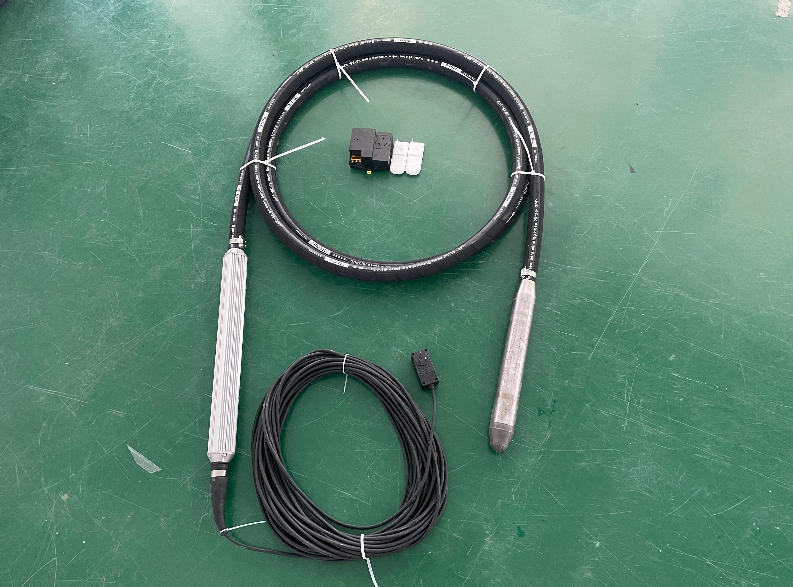
ONNEW independently developed intelligent variable frequency concrete vibrators. This series of products is a variable frequency vibrator with a motor built into the rod head. It abandons the bulky external motor of traditional vibrators and the flexible shaft that is fragile, inefficient and easy to get stuck.

Civilian voltage 220V(customizable based on region).
Customized rubber tube, wear-resistant and tough, 1800 N pulling force, length 1-50m.
Built-in Permanent Magnet Synchronous Inverter Motor.
Streamlined configuration eliminates rebar obstruction.
Wear-resistant head, made of stainless steel.
Strong load capacity, wide voltage, high power, long life frequency conversion controller.
FAQ
Q1: How do I know if I have vibrated the concrete sufficiently?
A: You can tell the concrete is properly consolidated when a thin sheen of mortar (cement paste) appears on the surface, large air bubbles stop rising and bursting at the top, and the tone or pitch of the vibrating motor changes to a steady, constant hum. Continuing to vibrate after these signs appear can lead to material segregation.
Q2: Can I use one size of vibrating poker for all my construction jobs?
A: It is highly discouraged. Using a poker that is too small for a large pour will result in inadequate consolidation and massive inefficiency. Conversely, using a massive poker in thin, heavily reinforced walls can damage the formwork, displace the rebar, and cause severe aggregate segregation. Always match the head diameter to the spacing of your rebar and the volume of the pour.
Q3: What causes the flexible shaft of the equipment to overheat and break?
A: Overheating and breakage are most commonly caused by operating the tool with severe bends or loops in the flexible shaft. The friction of the internal cable spinning against the bent rubber casing generates immense heat. Additionally, failing to adhere to a regular greasing schedule or running the tool outside of the wet concrete (where it lacks the cooling effect of the mix) will quickly burn out the internal bearings and cables.