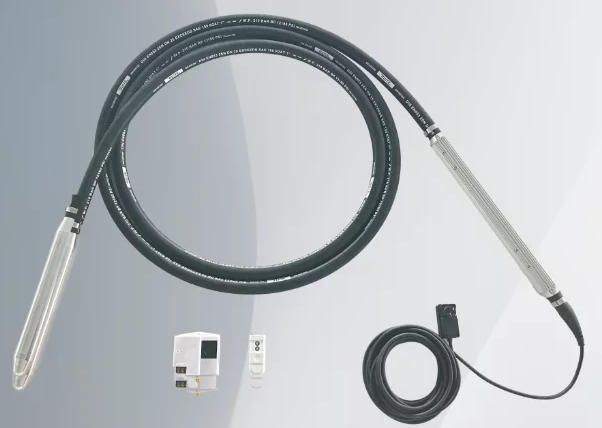
The Impact of the Intelligent Concrete Vibrator on Extreme Weather Concrete Pours
Release time: 2026-06-03
Table of Contents
In the modern construction landscape, the push for infrastructure resilience is often met with the formidable challenge of unpredictable climate patterns. Whether it is the searing heat of a desert high-rise project or the sub-zero temperatures of an Arctic bridge foundation, the integrity of concrete remains the primary concern for engineers. Traditional methods of consolidation are increasingly falling short in these margins. This is where the intelligent concrete vibrator performance begins to redefine the standards of structural durability.
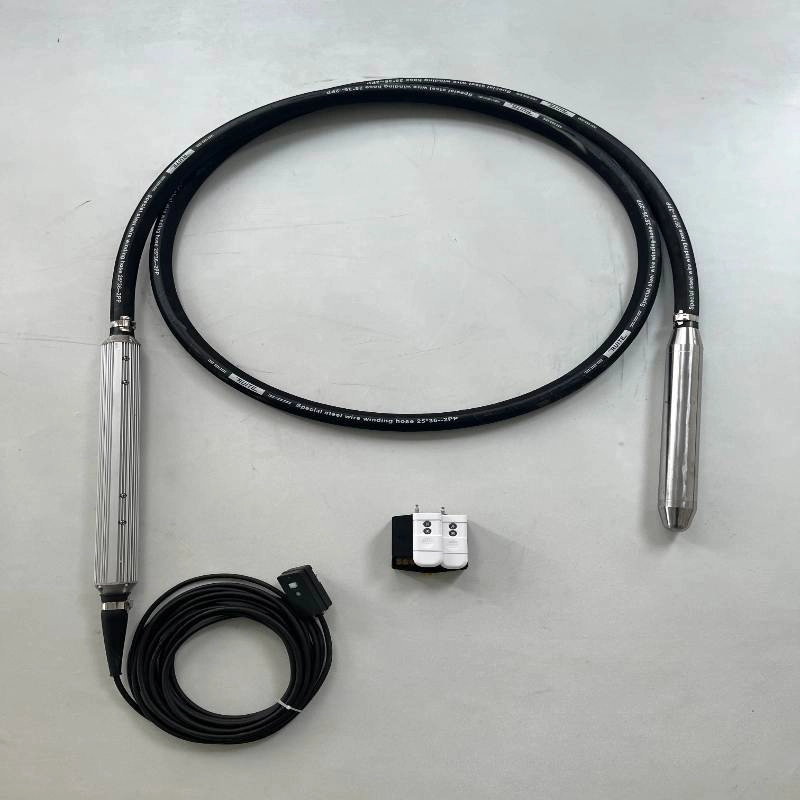
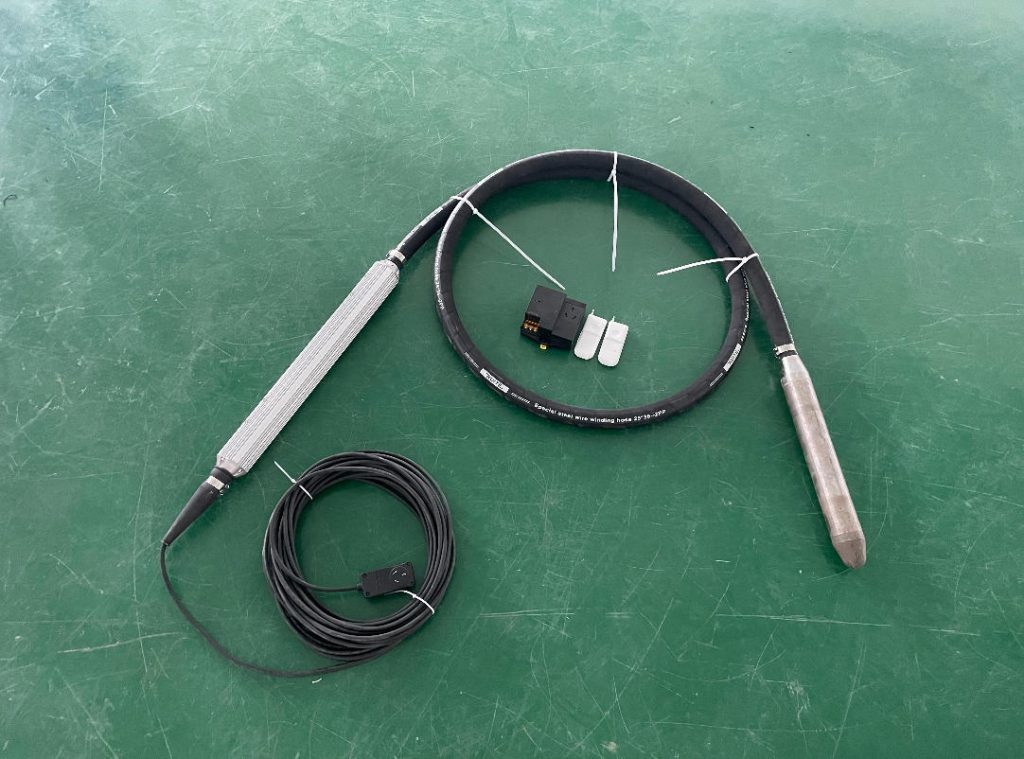
The Physics of Concrete Consolidation in Harsh Climates
Concrete is a living material until it cures. Its behavior is dictated by chemical reactions that are highly sensitive to ambient temperature and humidity. In extreme heat, the evaporation rate of surface moisture accelerates, leading to plastic shrinkage and a rapid loss of workability. Conversely, in extreme cold, the hydration process slows significantly, and the risk of interstitial water freezing can permanently compromise the matrix.
The role of a vibrator is to remove “entrapped air” while ensuring that “entrained air” (necessary for freeze-thaw resistance) remains stable. In extreme weather, the window for perfect consolidation is narrow. Intelligent systems use sensors to detect the density of the mix in real-time, adjusting the frequency (measured in vibrations per minute or VPM) to ensure the energy delivered matches the current rheological state of the concrete.
The Evolution of the Heavy-Duty Intelligent Concrete Vibrator
On large-scale infrastructure sites, standard equipment often succumbs to thermal stress or mechanical fatigue. The emergence of the heavy-duty intelligent concrete vibrator has solved this by incorporating advanced cooling systems and reinforced housing that can withstand ambient temperatures ranging from -20℃ to +50℃.
These heavy-duty units are not merely “stronger”; they are “smarter.” They utilize high-cycle technology where an internal micro-converter maintains a constant speed even under heavy load. This prevents the motor from overheating in high-ambient-heat scenarios, a common failure point for traditional mechanical vibrators.
Comparative Performance Analysis
To understand why intelligent systems are replacing traditional mechanical drives, we must look at the data. Below is a comparison of how these systems behave during extreme weather events.
| Feature | Traditional Mechanical Vibrator | Intelligent Concrete Vibrator |
| Frequency Stability | Drops as concrete thickens or motor heats up. | Maintains constant VPM via digital feedback loops. |
| Heat Management | High friction; prone to burnout in | Brushless motors with thermal shutdown and optimized cooling. |
| Cold Weather Start | Thickened lubricants cause starting delays. | Electronic soft-start ensures immediate operation in sub-zero. |
| Data Logging | None. | Records duration, frequency, and depth for QA/QC. |
| Operator Fatigue | High vibration feedback to the handle. | Active vibration dampening and ergonomic design. |
Optimizing Concrete Pours in Extreme Heat
When the mercury rises, the “slump” of concrete decreases rapidly. This makes the concrete harder to move and consolidate. The intelligent concrete vibrator performance is critical here because it can identify the specific resistance of the mix. If the concrete is stiffening due to heat, the intelligent vibrator can increase its centrifugal force to ensure the mix reaches every corner of the formwork, particularly around dense reinforcement bars.
Navigating Cold Weather Challenges
In freezing conditions, the primary goal is to complete consolidation quickly so that thermal blankets can be applied to retain the heat of hydration. The heavy-duty intelligent concrete vibrator excels here by providing a “soft-start” feature. This prevents the massive current spikes that often trip breakers in cold weather when lubricants are more viscous.
Furthermore, these units are often constructed with specialized polymers that do not become brittle in the cold. This durability is a key reason why global procurement teams prioritize these specifications during the intelligent concrete vibrator export process, ensuring the tools survive the transit and the site conditions.
Global Logistics and the Export Market
As infrastructure projects scale globally, from the NEOM project in Saudi Arabia to railway expansions in Scandinavia, the demand for high-tier equipment has surged. The intelligent concrete vibrator export sector has seen a shift toward “smart” containers and digital tracking. Manufacturers now include remote diagnostic capabilities, allowing a technician in a different country to troubleshoot a vibrator’s performance via a cloud-based interface.
Advanced Sensor Integration
The “intelligence” in these vibrators is derived from a suite of internal sensors:
- Accelerometers: Measure the actual movement of the vibrator head within the mix.
- Current Sensors: Detect the load on the motor, which correlates directly to concrete density.
- Thermal Sensors: Protect the internal electronics from the harsh environment.
When these sensors work in unison, the device can provide haptic feedback to the operator. If a section of concrete has been sufficiently consolidated, the vibrator can change its vibration pattern, signaling the operator to move to the next insertion point. This eliminates the guesswork that often leads to structural weak points in extreme weather pours.
Sustainability and Long-term Structural Integrity
Consolidation isn’t just about the first 24 hours; it’s about the next 50 years. Properly consolidated concrete is less permeable. Lower permeability means that carbon dioxide and chlorides cannot penetrate the concrete as easily, protecting the rebar from corrosion.
By ensuring a perfect pour through superior intelligent concrete vibrator performance, contractors reduce the carbon footprint of the project by extending the lifecycle of the structure and reducing the need for future repairs.
Practical Implementation Guide
To maximize the benefits of an intelligent system in extreme weather, follow these best practices:
- Pre-Cooling/Heating: Ensure the vibrator head is at a temperature similar to the concrete before insertion to avoid localized thermal shock.
- Vertical Insertion: Always insert the vibrator vertically to ensure the energy waves propagate uniformly through the depth of the pour.
- Monitoring Data: Use the exported logs from your heavy-duty units to prove compliance with project specifications to stakeholders.
Conclusion
The construction industry is no longer just about brute force; it is about precision. The impact of the intelligent concrete vibrator on extreme weather pours is transformative, turning a high-risk operation into a controlled, data-driven process. By focusing on intelligent concrete vibrator performance, manufacturers are providing the tools necessary for the next generation of resilient infrastructure. As the intelligent concrete vibrator export market continues to grow, we can expect these smart systems to become the baseline requirement for any project that values quality, safety, and longevity.
FAQ
1. How does an intelligent concrete vibrator handle battery life in extreme cold?
Most professional-grade intelligent vibrators utilize Lithium-ion batteries with built-in Thermal Management Systems (TMS). In extreme cold, the system may use a small portion of its energy to self-heat the cells to an optimal operating temperature, ensuring consistent power delivery. For corded heavy-duty intelligent concrete vibrator models, the electronics are designed to handle voltage fluctuations common in cold-start generators.
2. Can these intelligent systems detect if the concrete has already begun its initial set?
Yes. Through real-time monitoring of the motor’s amperage draw, the system can detect the increased resistance of concrete that has begun its initial set. The vibrator will typically alert the operator via a LED indicator or haptic pulse, preventing the “honeycombing” that occurs when one tries to vibrate concrete that is no longer plastic.
3. Is the data collected by these vibrators compatible with BIM software?
Many of the latest models available for intelligent concrete vibrator export feature Bluetooth or Wi-Fi connectivity. The data—including vibration time, GPS location of the pour, and frequency logs—can be exported in CSV or JSON formats, which are easily integrated into Building Information Modeling (BIM) software for a comprehensive digital twin of the construction project.