Concrete Vibration Solutions for Bridge and Box Girder Construction
Release time: 2026-09-16
Table of Contents
The structural integrity and longevity of bridges and box girders rely heavily on the quality of the concrete used in their construction. Achieving dense, void-free concrete is paramount, and this requires effective concrete vibration solutions. Proper consolidation eliminates entrapped air, ensures complete filling of the formwork, and promotes a strong bond between the concrete and the reinforcing steel. This article explores the critical role of concrete vibration in bridge and box girder projects, detailing various methods and their specific applications.
The Importance of Concrete Consolidation
When concrete is poured, it naturally entraps air, creating voids and pockets within the mixture. If left unresolved, these voids compromise the concrete’s strength, durability, and aesthetic finish. In massive structures like bridges and box girders, where structural demands are immense, even minor defects can have significant consequences. Concrete consolidation, primarily achieved through vibration, serves several crucial functions:
- Removal of Entrapped Air: Vibration liquefies the concrete mix temporarily, allowing lighter air bubbles to rise to the surface and escape.
- Densification: By reducing the volume of air, vibration increases the density of the concrete, directly correlating to higher compressive strength.
- Formwork Filling: Vibration helps the concrete flow into complex shapes and tight corners of the formwork, ensuring complete coverage without honeycombing.
- Reinforcement Bonding: The process forces the concrete into intimate contact with the reinforcing steel, establishing the strong bond necessary for load transfer.
- Improved Finish: Effective consolidation minimizes surface defects, resulting in a smoother, more aesthetically pleasing finish.
Concrete Vibration Methods for Bridge Construction
Bridge construction involves various components, each requiring tailored vibration strategies. The choice of vibration method depends on factors such as the size of the pour, the density of the reinforcement, and the accessibility of the formwork.
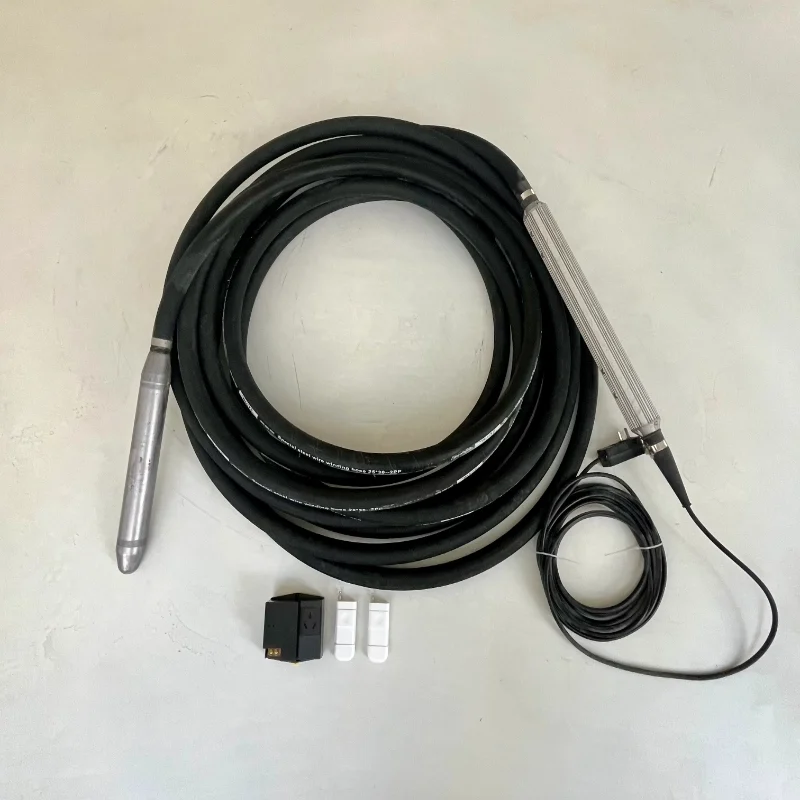
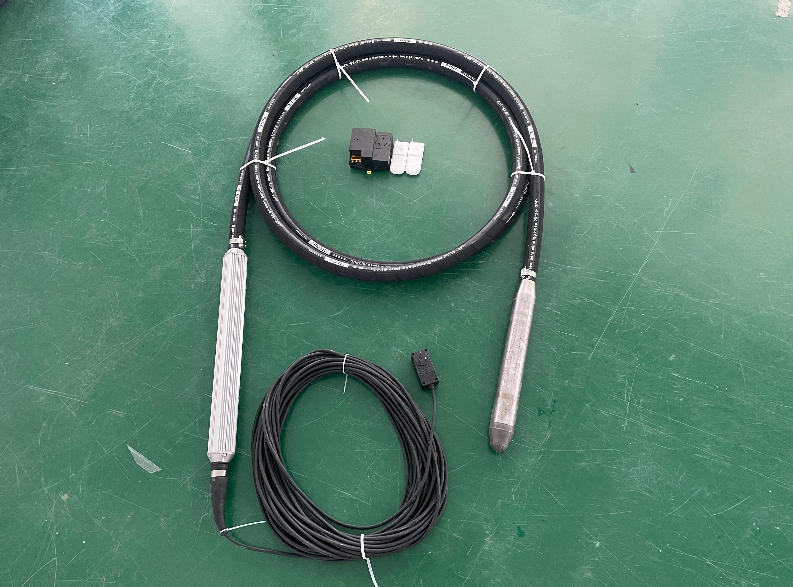
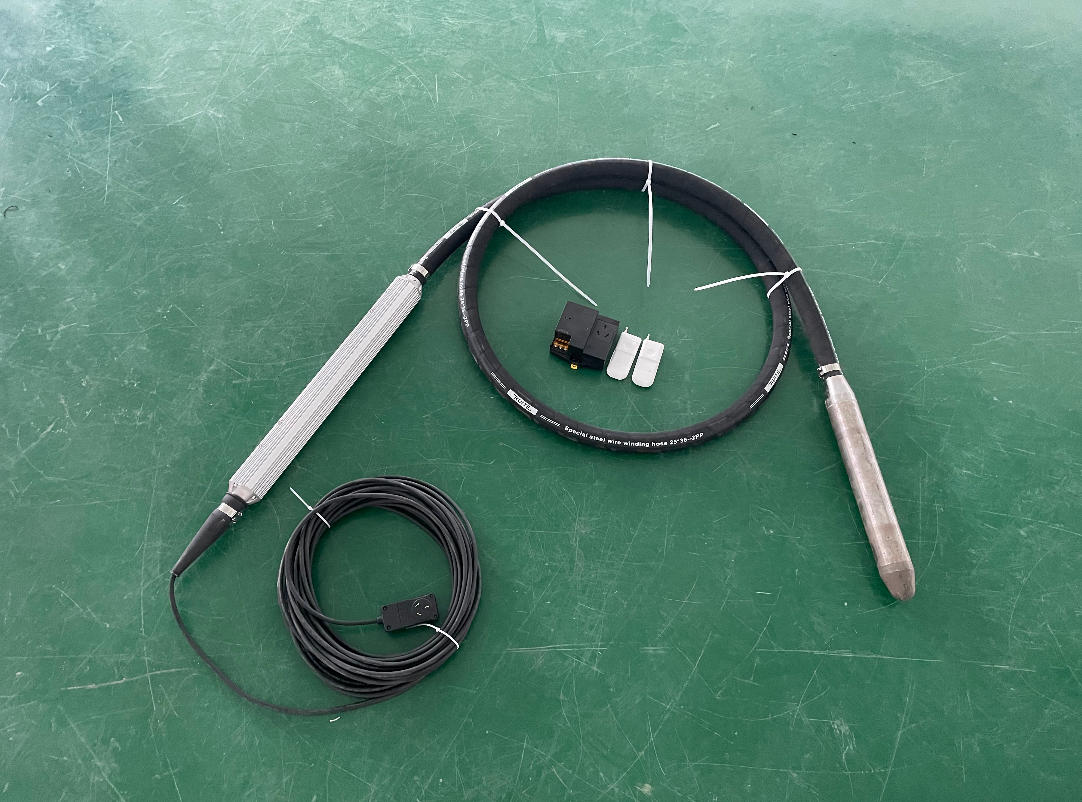
Internal Vibration (Immersion Vibrators)
Internal vibrators, commonly known as poker vibrators, are the most widely used tool for concrete consolidation. They consist of a vibrating head attached to a flexible shaft, which is immersed directly into the freshly poured concrete. The high-frequency vibrations transmitted from the head liquefy the surrounding mix, driving out air.
Applications in Bridge Construction:
- Piers and Columns: Internal vibrators are ideal for consolidating concrete in vertical structures like bridge piers and columns. They can be lowered deep into the formwork to ensure thorough compaction.
- Abutments: For massive concrete pours like abutments, internal vibrators with larger heads and higher output are employed to manage the volume effectively.
- Deck Slabs: While surface vibrators are often used for bridge decks, internal vibrators are still necessary to consolidate the concrete around the heavy reinforcement grids before finishing.
Best Practices for Internal Vibration:
- Systematic Insertion: The vibrator should be inserted vertically at regular intervals, ensuring the areas of influence overlap.
- Penetration Depth: The vibrator head must penetrate the current lift and extend a few inches into the previous, still-plastic lift to prevent cold joints.
- Withdrawal Rate: The vibrator should be withdrawn slowly (typically 1 to 3 inches per second) to allow the concrete to fill the hole left by the head.
- Avoid Over-Vibration: Excessive vibration can cause segregation, where the heavier aggregates settle and the lighter paste rises to the surface.
External Vibration (Form Vibrators)
External vibrators are attached directly to the exterior of the formwork. They transmit vibrations through the forms and into the concrete mass. This method is particularly useful when the formwork is congested with reinforcement or when access for internal vibrators is limited.
Applications in Bridge Construction:
- Thin Walls and Heavily Reinforced Sections: Where internal vibrators cannot fit, form vibrators provide the necessary consolidation energy.
- Precast Elements: Form vibrators are commonly used in the production of precast bridge girders and segments, ensuring uniform compaction and high-quality finishes.
- Architectural Concrete: They are often preferred when a superior surface finish is required, as they help eliminate bug holes and surface imperfections.
Considerations for External Vibration:
- Formwork Strength: The formwork must be robust enough to withstand the intense vibrations without deflecting or failing.
- Vibrator Placement: Proper spacing and positioning of the vibrators are crucial for uniform energy distribution.
- Frequency and Amplitude: Selecting the right vibration parameters is essential to match the characteristics of the concrete mix and the specific application.
Surface Vibration (Screeds)
Surface vibrators, typically in the form of vibrating screeds, are used to consolidate and level horizontal concrete surfaces. They consist of a beam or truss equipped with a vibrating mechanism that travels across the freshly placed concrete.
Applications in Bridge Construction:
- Bridge Decks: Vibrating screeds are the primary method for consolidating and finishing bridge deck slabs. They provide uniform compaction across the width of the deck while establishing the required grade and profile.
- Approach Slabs: Similar to bridge decks, approach slabs benefit from the efficient consolidation and leveling provided by surface vibrators.
Advantages of Surface Vibration:
- Efficiency: Vibrating screeds can cover large areas quickly, making them ideal for expansive bridge decks.
- Uniformity: They provide consistent compaction depth, typically effective up to 8 inches, depending on the equipment and mix design.
- Simultaneous Operations: They combine consolidation, leveling, and initial finishing into a single operation.
Specific Challenges in Box Girder Construction
Box girders present unique challenges for concrete consolidation due to their complex geometry and dense reinforcement. The combination of thin webs, thick bottom flanges, and congested corners requires specialized approaches.
Overcoming Congestion
The webs of box girders are often thin and heavily reinforced with post-tensioning ducts, sheer stirrups, and longitudinal bars. This congestion makes it difficult to insert standard internal vibrators.
Solutions:
- Small-Diameter Internal Vibrators: Utilizing internal vibrators with smaller head diameters (e.g., 1 inch or less) allows for maneuverability between the reinforcing bars.
- Flexible Shafts: Flexible shafts provide the necessary reach and flexibility to navigate around obstacles within the formwork.
- Strategic Placement: Careful planning of insertion points and sequences is crucial to ensure all areas receive adequate vibration without trapping the equipment.
Consolidating the Bottom Flange
The bottom flange of a box girder is typically thick and requires thorough consolidation to ensure structural integrity and prevent honeycombing.
Solutions:
- High-Frequency Internal Vibrators: Powerful internal vibrators with high frequencies and amplitudes are necessary to penetrate the thick concrete mass and drive out entrapped air.
- Staged Pouring: Pouring the concrete in manageable lifts allows for effective vibration of each layer, preventing the accumulation of air and ensuring proper bonding between lifts.
- External Vibrators (Supplemental): In some cases, external vibrators attached to the bottom forms can provide supplemental consolidation energy, particularly in hard-to-reach areas.
Addressing the Web-Flange Junction
The junction between the web and the bottom flange is a critical area prone to poor consolidation and honeycombing due to the complex geometry and reinforcement density.
Solutions:
- Targeted Vibration: Special attention must be paid to this area, using a combination of internal and external vibrators to ensure complete filling and compaction.
- Self-Consolidating Concrete (SCC): The use of SCC, a highly flowable mix that consolidates under its own weight, can significantly reduce the reliance on mechanical vibration and improve the quality of the concrete in these challenging areas.
Comparison of Concrete Vibration Methods
The following table summarizes the key characteristics and applications of the primary concrete vibration methods used in bridge and box girder construction:
| Vibration Method | Description | Primary Applications | Advantages | Limitations |
| Internal (Immersion) | Vibrating head inserted directly into the concrete. | Piers, columns, abutments, deep foundations. | High efficiency, direct energy transfer, versatile. | Limited access in congested areas, risk of over-vibration. |
| External (Form) | Vibrators attached to the exterior of the formwork. | Thin walls, heavily reinforced sections, precast elements. | Good surface finish, effective in congested areas. | Requires strong formwork, indirect energy transfer. |
| Surface (Screeds) | Vibrating beam or truss travels across the concrete surface. | Bridge decks, approach slabs, flatwork. | Efficient for large areas, combines consolidation and leveling. | Limited depth of influence, requires careful operation. |
The Role of Mix Design in Consolidation
The effectiveness of concrete vibration is intrinsically linked to the concrete mix design. The workability and flowability of the mix dictate the amount of vibration energy required for adequate consolidation.
Traditional Mixes vs. Self-Consolidating Concrete (SCC)
Traditional concrete mixes, characterized by lower slump and higher viscosity, require substantial mechanical vibration to overcome internal friction and flow into place. These mixes are common in massive pours where segregation is a concern.
Self-Consolidating Concrete (SCC), on the other hand, is highly flowable and can navigate complex formwork and dense reinforcement under its own weight, requiring little to no mechanical vibration. SCC relies on specialized admixtures, such as polycarboxylate-based high-range water reducers and viscosity-modifying agents, to achieve its unique properties.
Benefits of SCC in Bridge Construction:
- Reduced Labor and Equipment: SCC eliminates or significantly reduces the need for mechanical vibration, lowering labor costs and equipment requirements.
- Improved Quality: The highly flowable nature of SCC ensures complete filling of the formwork and intimate contact with reinforcement, reducing the risk of voids and honeycombing.
- Enhanced Surface Finish: SCC produces a smooth, aesthetically pleasing surface finish, often eliminating the need for remedial work.
- Faster Construction: The rapid placement and self-leveling characteristics of SCC can accelerate construction schedules.
Quality Control and Inspection
Ensuring the adequacy of concrete consolidation requires rigorous quality control and inspection procedures throughout the pouring process.
Monitoring Vibration Operations
- Trained Personnel: Vibration operations should be conducted by trained and experienced personnel who understand the principles of consolidation and the specific requirements of the mix and application.
- Supervision: Continuous supervision is necessary to ensure that the proper vibration techniques are being followed, including insertion spacing, depth, and duration.
- Equipment Maintenance: Vibrating equipment must be well-maintained and operating at the correct frequency and amplitude to ensure effective energy transfer.
Post-Pour Inspection
- Visual Inspection: After the forms are removed, a thorough visual inspection is conducted to identify any surface defects, such as honeycombing, bug holes, or cold joints.
- Non-Destructive Testing: Techniques such as ultrasonic pulse velocity or impact-echo testing can be used to assess the internal integrity and density of the concrete structure.
- Core Sampling: In critical situations, core samples may be extracted and tested for compressive strength and density to verify the effectiveness of the consolidation process.
Conclusion
Effective concrete vibration is a fundamental requirement for the successful construction of durable and safe bridges and box girders. By understanding the principles of consolidation, selecting the appropriate vibration methods, and adhering to best practices, contractors can ensure the structural integrity and longevity of these vital infrastructure assets. The continuous advancement in vibration equipment and concrete technology, such as the increasing use of Self-Consolidating Concrete, provides the industry with the tools and materials necessary to meet the demanding challenges of modern bridge construction.
FAQs
What are the signs of inadequate concrete consolidation?
Inadequate consolidation often manifests as honeycombing (areas where coarse aggregate is visible with little or no mortar), bug holes (small surface voids), or cold joints (visible lines between distinct concrete placements). Internally, poor consolidation leads to reduced density, lower compressive strength, and increased permeability, compromising the structure’s durability.
How long should an internal vibrator remain in the concrete?
The duration depends on the concrete mix and the vibrator’s power, but typically ranges from 5 to 15 seconds per insertion point. The operator should watch the surface: the vibrator should be slowly withdrawn when a thin sheen of mortar appears, and the escaping air bubbles cease. Over-vibrating can cause the heavier aggregates to sink and the lighter paste to rise, leading to a weak, segregated mix.
When is it appropriate to use external form vibrators instead of internal vibrators?
External form vibrators are ideal when the formwork is too narrow or congested with reinforcing steel for an internal vibrator to pass through. They are also frequently used in precast concrete manufacturing and for architectural concrete where an exceptional surface finish is required, as they draw the finer mortar to the face of the form. The formwork itself must be specially designed to withstand the stress of external vibration.