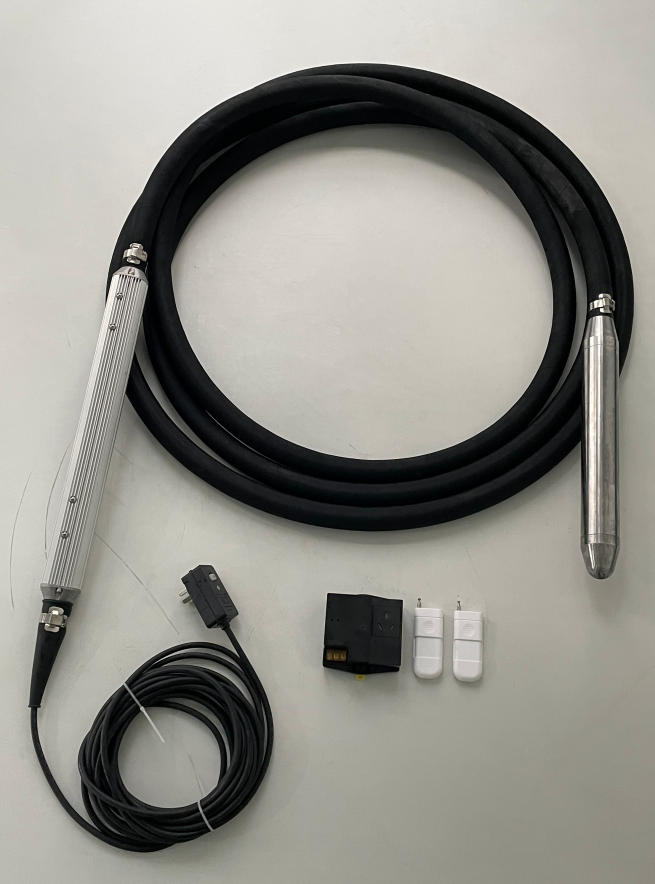
High Frequency Concrete Vibrator Maintenance, Troubleshooting and Operating Guide
Release time: 2026-10-16
High-frequency concrete vibrator maintenance involves regular inspection of the vibrating head, motor, power cables, inverter, and electrical connections. Common problems such as weak vibration, overheating, abnormal noise, and startup failure can often be identified through systematic troubleshooting. Proper operation, routine maintenance, and timely fault detection help extend equipment service life, reduce downtime, and maintain consistent concrete compaction quality.
Table of Contents
High-frequency concrete vibrators play an important role in modern construction and precast concrete production. However, continuous operation in demanding jobsite environments can expose equipment to concrete residue, vibration loads, electrical fluctuations, and mechanical wear. Without proper maintenance and standardized operating procedures, these factors may affect equipment performance and increase maintenance costs. Understanding how to inspect, operate, and troubleshoot concrete vibrators is essential for contractors and equipment operators. This guide explores practical maintenance methods, common equipment faults, and operating recommendations, helping users maintain reliable vibration performance throughout construction projects.
How to Maintain a High-Frequency Concrete Vibrator?
Routine maintenance is essential for keeping concrete vibration equipment in reliable working condition. Operators should establish a maintenance schedule based on operating frequency, working environment, and manufacturer recommendations.
Daily maintenance:
- Inspect the vibrating head for cracks, deformation, or abnormal wear.
- Check power cables, connectors, and plugs for damage.
- Clean concrete residue from the equipment after each use.
- Check the inverter and electrical connections before operation.
Regular maintenance:
- Inspect motor components and cable insulation.
- Check whether the vibrating head produces abnormal noise or overheating.
- Examine inverter ventilation and cooling conditions.
- Check electrical connections and operating parameters according to the manufacturer’s instructions.
For motor-in-head vibrators, special attention should be given to the motor housing, sealing structure, and cable connections to help prevent moisture and concrete contamination from affecting internal components.
What Are the Common High-Frequency Concrete Vibrator Problems?
Understanding common equipment faults helps operators identify problems early and reduce unnecessary downtime.
| Common Problem | Possible Causes | Recommended Solutions |
|---|---|---|
| Vibrator fails to start | Power failure, loose connections, inverter protection | Check the power supply, cables, and inverter alarm |
| Weak vibration | Unstable voltage, motor wear, incorrect operating settings | Verify electrical parameters and inspect the motor |
| Abnormal noise | Bearing damage, loose components, internal wear | Stop operation and arrange professional inspection |
| Equipment overheating | Overloading, poor cooling, extended operation | Check the load, cooling conditions, and duty cycle |
| Intermittent operation | Damaged cables, loose connectors, unstable power | Inspect cables and electrical connections |
| Inverter alarm | Overcurrent, overvoltage, overheating, or other protection events | Identify the alarm code and follow the manufacturer’s troubleshooting instructions |
Operators should avoid repeatedly restarting equipment when abnormal conditions occur. Electrical and mechanical faults should be inspected before the vibrator returns to service.
How to Operate a High-Frequency Concrete Vibrator Correctly?
Correct operation directly affects concrete compaction quality and equipment performance.
Step 1: Check the equipment before use. Confirm that the power supply, inverter, cables, and vibrating head are in good condition. Make sure the equipment specifications match the required working conditions.
Step 2: Position the vibrating head correctly. Insert the vibrator vertically into fresh concrete at relatively even intervals. The insertion spacing should be determined by the effective radius of action and concrete conditions.
Step 3: Control vibration duration. Allow sufficient time for trapped air to escape and the concrete surface to become more uniform. Avoid excessive vibration, which may cause aggregate segregation.
Step 4: Withdraw the vibrator slowly. Gradually remove the vibrating head to prevent voids from forming along the insertion path.
Step 5: Clean and inspect after operation. Disconnect the power supply before cleaning and checking the equipment. Remove concrete residue and inspect components for signs of wear.
How Can Operators Extend the Service Life of Concrete Vibrators?
Several practical measures can help improve equipment durability:
- Avoid operating the vibrator under conditions beyond its rated specifications.
- Prevent cables from being crushed, sharply bent, or dragged over sharp surfaces.
- Keep inverter ventilation openings clean and unobstructed.
- Avoid immersing electrical components that are not designed for underwater operation.
- Store the equipment in a dry and protected environment.
- Follow the manufacturer’s recommended maintenance intervals.
For high-frequency motor-in-head equipment, proper handling and protection of the vibrating head and cable assembly are particularly important.
How to Choose a Reliable High-Frequency Concrete Vibrator Supplier?
Equipment reliability depends not only on daily maintenance but also on product design and manufacturing quality.
When evaluating suppliers, construction companies should consider motor performance, vibration frequency, inverter compatibility, protective design, spare parts availability, and technical support.
A professional manufacturer should provide clear technical specifications, operating instructions, troubleshooting guidance, and after-sales service to help customers maintain stable equipment performance.
ONNEW: High-Frequency Concrete Vibration Equipment and Technical Support
Maintaining stable concrete vibration performance requires more than regular equipment inspection. Motor quality, vibration technology, inverter compatibility, and product durability also play important roles in long-term equipment reliability.
ONNEW specializes in high-frequency concrete vibration equipment, integrating motor-in-head technology with proprietary inverter technology to meet different concrete compaction requirements. Backed by more than 20 patents and continuous R&D investment, ONNEW focuses on developing efficient, reliable, and practical vibration solutions for construction contractors, precast concrete manufacturers, and equipment distributors.
Whether you need high-frequency concrete vibrators for building construction, bridge engineering, or precast concrete production, ONNEW can help you evaluate suitable equipment configurations based on operating conditions and technical requirements.
Looking for a reliable high-frequency concrete vibrator manufacturer? Contact ONNEW to explore professional equipment solutions and technical support for your next construction project.