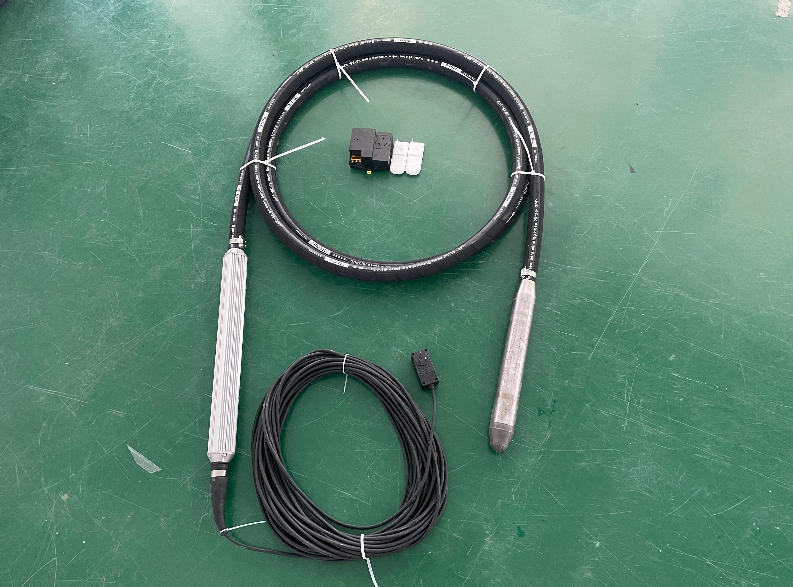
IoT-Enabled Intelligent Concrete Vibrator in Data-Driven Pouring
Release time: 2026-04-23
Table of Contents
The construction industry is rapidly entering the era of digitalization. From smart batching systems to AI-powered project management platforms, contractors are increasingly relying on data-driven technologies to improve efficiency, reduce material waste, and ensure consistent project quality. One critical area now benefiting from this transformation is concrete compaction. The rise of the IoT intelligent concrete vibrator is reshaping how concrete pouring operations are monitored and controlled on modern job sites.
Traditional vibration methods have long depended on operator experience and manual observation. While skilled workers can achieve good results, inconsistencies in vibration frequency, insertion timing, and coverage often lead to hidden structural defects. In large infrastructure projects, these inconsistencies can create significant long-term durability risks.
Today, intelligent systems equipped with IoT connectivity, sensors, and real-time analytics are changing this process entirely. Advanced concrete vibration equipment now enables contractors to collect actionable pouring data, improve construction traceability, and optimize compaction quality in real time.
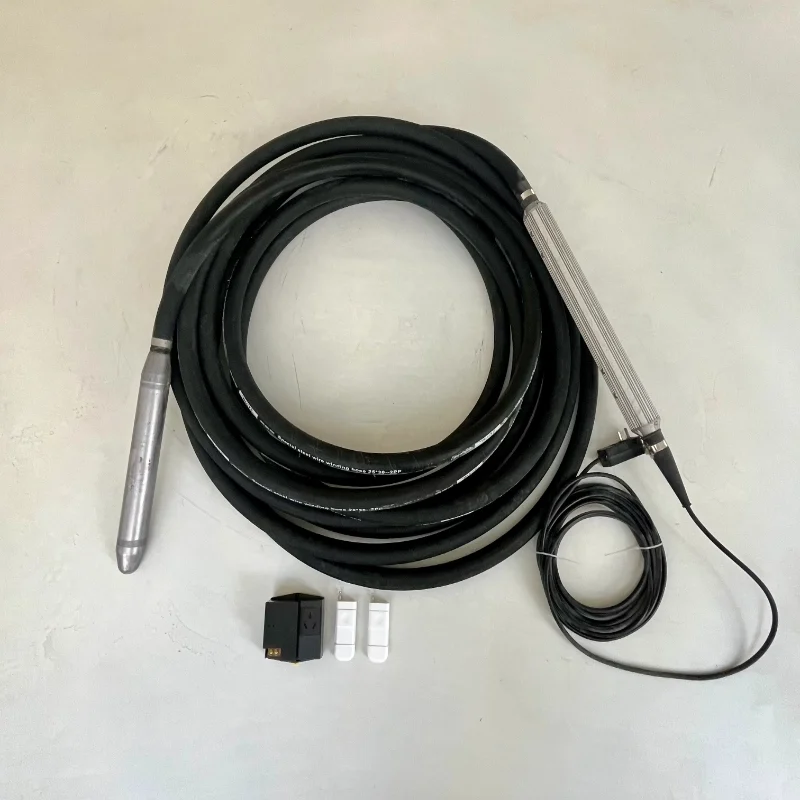

Why Concrete Vibration Matters in Modern Construction
Concrete vibration removes trapped air bubbles and ensures that fresh concrete fully surrounds reinforcement bars and fills every corner of the formwork. Poor vibration can cause:
- Honeycombing
- Surface voids
- Weak structural zones
- Reduced compressive strength
- Water penetration issues
- Premature structural deterioration
In traditional operations, site supervisors rely mainly on visual inspections. However, visual assessment alone cannot accurately determine whether every section has received proper compaction.
As infrastructure projects become larger and quality standards stricter, contractors are seeking more measurable and traceable methods. This demand is driving the adoption of intelligent vibration systems integrated with IoT technologies.
What Is an IoT-Enabled Intelligent Concrete Vibrator?
An IoT-enabled intelligent concrete vibrator combines conventional vibration technology with digital sensors, wireless communication modules, and cloud-based data platforms.
These systems can monitor and transmit important operating parameters such as:
| Parameter | Function |
|---|---|
| Vibration Frequency | Ensures proper compaction performance |
| Operating Duration | Tracks vibration time per insertion point |
| Temperature | Monitors motor and equipment condition |
| GPS/Location Data | Identifies vibration zones on large projects |
| Usage Records | Supports maintenance scheduling |
| Concrete Pouring Data | Creates digital quality reports |
The collected data is uploaded to cloud platforms or local monitoring systems where project managers can analyze performance in real time.
This shift toward intelligent concrete vibrator data allows construction teams to move from subjective judgment to measurable quality control.
How Data-Driven Pouring Improves Construction Quality
1. Real-Time Quality Monitoring
One of the biggest advantages of smart vibration equipment is instant feedback.
Traditional concrete pouring often leaves uncertainty regarding:
- Whether operators vibrated long enough
- Which sections may have been under-vibrated
- Whether vibration overlap was sufficient
IoT systems can automatically record vibration coverage and alert operators when parameters fall outside preset ranges.
For example:
- Insufficient vibration time triggers a warning
- Excessive vibration that may cause segregation is flagged
- Inconsistent operating frequency is identified immediately
This dramatically reduces the risk of hidden defects.
2. Improved Traceability for Large Projects
Mega infrastructure projects such as:
- Bridges
- Tunnels
- Dams
- High-rise towers
- Nuclear facilities
require complete quality documentation.
IoT-based vibration systems create digital records for every pouring section, including:
- Date and time
- Equipment used
- Operator ID
- Vibration duration
- Operating conditions
These digital logs improve accountability and simplify future inspections or audits.
For contractors working on government or international EPC projects, traceable pouring records are becoming increasingly important.
3. Reduced Dependence on Operator Experience
Traditional concrete vibration heavily depends on worker skill levels. Inexperienced operators may:
- Miss insertion points
- Over-vibrate concrete
- Use inconsistent insertion spacing
Smart systems help standardize operations by providing guided workflows and automatic parameter monitoring.
Even less experienced workers can achieve more consistent results with intelligent assistance systems.
This is especially valuable in regions facing skilled labor shortages.
Key Technologies Behind Intelligent Concrete Vibrators
Several technologies work together to enable intelligent compaction systems.
Sensor Integration
Modern systems use:
- Accelerometers
- Frequency sensors
- Temperature sensors
- Motion tracking modules
These components continuously collect operational data during vibration.
Wireless Communication
IoT connectivity may use:
- Bluetooth
- Wi-Fi
- 4G/5G
- LoRa communication
depending on project scale and network requirements.
Wireless transmission enables centralized monitoring across multiple pouring zones simultaneously.
Cloud Data Platforms
Cloud platforms allow project managers to:
- View live pouring progress
- Analyze equipment utilization
- Generate reports
- Predict maintenance requirements
Advanced systems may also integrate with BIM platforms and digital twin systems.
AI-Assisted Analytics
Some advanced platforms use machine learning algorithms to:
- Detect abnormal operating patterns
- Recommend optimized vibration parameters
- Predict equipment failures
- Analyze productivity trends
As AI adoption grows in construction, intelligent compaction systems are expected to become increasingly autonomous.
Applications Across Different Construction Sectors
High-Rise Buildings
In dense reinforcement areas, proper vibration is difficult to verify visually. Intelligent systems help ensure full concrete consolidation around steel bars.
Infrastructure Projects
Bridges, tunnels, and highway structures often require large-volume pours where quality consistency is critical. IoT monitoring helps reduce human error across large teams.
Precast Concrete Manufacturing
Factories benefit from standardized vibration parameters that improve product consistency and reduce defect rates.
Hydropower and Dam Construction
Mass concrete projects require detailed pouring records and long-term quality assurance. Smart vibration systems provide valuable traceability data.
Operational Benefits Beyond Quality Control
Lower Maintenance Costs
An advanced intelligent concrete vibrator manufacturer may integrate predictive maintenance systems that monitor:
- Motor temperature
- Bearing wear
- Operating hours
- Vibration anomalies
This allows maintenance teams to service equipment before failures occur.
Increased Equipment Lifespan
By preventing overload operation and improper usage, smart monitoring systems help extend equipment durability.
Better Fleet Management
Contractors operating multiple job sites can track:
- Equipment location
- Utilization rates
- Idle time
- Maintenance schedules
This improves asset allocation and operational efficiency.
Comparison: Traditional vs Intelligent Concrete Vibrators
| Feature | Traditional Vibrator | IoT Intelligent Vibrator |
|---|---|---|
| Operation Monitoring | Manual | Real-time digital monitoring |
| Data Recording | None | Automatic cloud storage |
| Quality Traceability | Limited | Comprehensive |
| Maintenance Strategy | Reactive | Predictive |
| Operator Guidance | Experience-based | Sensor-assisted |
| Remote Management | Not available | Supported |
| Quality Consistency | Variable | Highly standardized |
Challenges in Adopting Intelligent Vibration Systems
Despite their advantages, some challenges remain.
Initial Investment
Smart systems cost more than conventional vibration equipment. However, many contractors find the long-term savings justify the investment through:
- Reduced rework
- Lower defect rates
- Improved project efficiency
Training Requirements
Operators and supervisors must learn:
- Data interpretation
- System calibration
- Digital platform usage
Manufacturers increasingly provide technical training and support services.
Connectivity Limitations
Remote construction sites may face unstable network conditions. Some systems solve this problem with offline data storage and delayed synchronization features.
Future Trends in Smart Concrete Compaction
The future of concrete vibration is moving toward fully integrated smart construction ecosystems.
Emerging trends include:
BIM Integration
Vibration data may be directly linked to BIM models, allowing engineers to verify compaction quality for specific structural zones.
Autonomous Construction Equipment
Future robotic pouring systems could automatically adjust vibration parameters based on concrete flow characteristics and sensor feedback.
Digital Twin Technology
Real-time pouring data can support digital twin simulations for infrastructure lifecycle management.
Sustainability Optimization
Data-driven vibration control may help:
- Reduce material waste
- Lower energy consumption
- Improve concrete durability
- Extend infrastructure lifespan
This contributes to more sustainable construction practices.
Choosing the Right Intelligent Concrete Vibrator Supplier
When evaluating suppliers, contractors should consider several factors.
Important Selection Criteria
| Evaluation Factor | Why It Matters |
|---|---|
| Sensor Accuracy | Ensures reliable monitoring |
| Connectivity Stability | Supports real-time data transmission |
| Platform Compatibility | Integrates with existing systems |
| Durability | Handles harsh construction environments |
| Technical Support | Assists deployment and training |
| Data Security | Protects project records |
| Scalability | Supports future expansion |
An experienced supplier should offer both hardware reliability and software integration expertise.
Why the Market Is Shifting Toward Smart Concrete Equipment
The construction industry is under increasing pressure to:
- Improve quality assurance
- Reduce labor dependency
- Increase project transparency
- Meet stricter compliance standards
IoT-enabled equipment aligns perfectly with these objectives.
As smart construction technologies become more common, intelligent vibration systems are likely to transition from optional upgrades to standard industry equipment.
For contractors seeking higher productivity and more reliable pouring outcomes, digital compaction technology offers measurable competitive advantages.
Conclusion
The evolution of the IoT intelligent concrete vibrator represents a major advancement in modern construction quality control. By combining sensors, connectivity, and data analytics, these systems transform concrete vibration from a manual process into a fully traceable digital operation.
The ability to collect and analyze intelligent concrete vibrator data allows contractors to improve consistency, reduce defects, optimize maintenance, and enhance project documentation.
As infrastructure projects become more complex and quality expectations continue rising, demand for smart vibration systems will likely accelerate worldwide. Working with an experienced intelligent concrete vibrator manufacturer can help contractors successfully transition toward data-driven pouring and smarter construction management.
FAQ
1. How does an IoT-enabled concrete vibrator improve construction quality?
It provides real-time monitoring of vibration frequency, duration, and operating conditions, helping ensure consistent concrete compaction and reducing hidden structural defects.
2. Can intelligent concrete vibrators reduce equipment downtime?
Yes. Predictive maintenance features monitor equipment health and identify potential failures early, helping contractors schedule maintenance before breakdowns occur.
3. Are smart concrete vibration systems suitable for small construction projects?
Yes. While large infrastructure projects benefit most from full data integration, smaller contractors can also improve quality control, equipment management, and operational efficiency using intelligent systems.