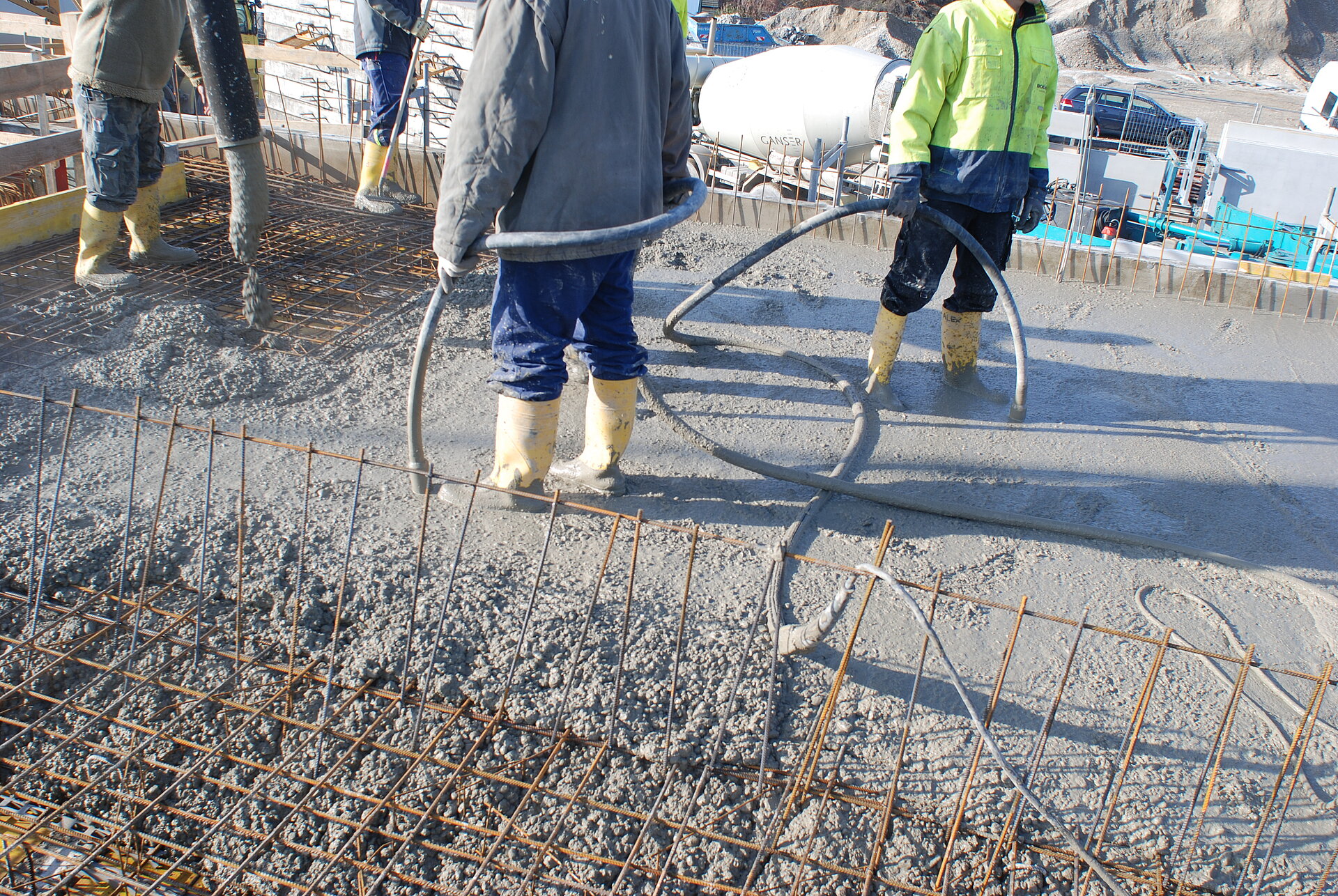
Electric vs. Pneumatic Concrete Vibrators: Key Differences and Applications
Release time: 2026-10-27
Electric and pneumatic concrete vibrators are two common types of equipment used for concrete compaction. Electric concrete vibrators use an electric motor to generate vibration, making them suitable for general construction and precast concrete applications where a stable power supply is available. Pneumatic concrete vibrators are powered by compressed air and are often used in industrial environments where pneumatic systems are already installed or electrical equipment is restricted. The right choice depends on power availability, working conditions, vibration requirements, maintenance costs, and overall project efficiency.
Table of Contents
What Are Electric and Pneumatic Concrete Vibrators?
Electric concrete vibrators use an electric motor to generate mechanical vibration, helping remove trapped air and improve the density of freshly poured concrete. Depending on their design, they may use an external motor, a flexible shaft, or a motor integrated into the vibrating head.
Pneumatic concrete vibrators operate using compressed air supplied by an air compressor. The airflow drives an internal vibration mechanism, generating the vibration needed to compact concrete.
Both types help improve concrete quality, but their power sources, operating requirements, and suitable applications are different.
What Are the Main Differences Between Electric and Pneumatic Concrete Vibrators?
For contractors and equipment buyers, understanding the technical and operational differences is essential before making a purchasing decision.
| Comparison Factor | Electric Concrete Vibrator | Pneumatic Concrete Vibrator |
|---|---|---|
| Power Source | Electricity | Compressed air |
| Main Components | Electric motor, vibrating head, power cable or flexible shaft | Air compressor, air hose, pneumatic vibration mechanism |
| Installation | Requires a suitable electrical power supply | Requires a compatible compressed air system |
| Operation | Generally straightforward to operate | Requires appropriate air pressure and airflow |
| Maintenance | Requires inspection of electrical connections, motor, and mechanical components | Requires inspection of air hoses, connections, seals, and pneumatic components |
| Working Environment | Suitable for general construction and precast production | Suitable for industrial environments with available compressed air |
| Operating Cost | Depends on electricity consumption and equipment configuration | Depends on compressor efficiency and compressed air consumption |
| Equipment Selection | Focuses on voltage, power, frequency, and vibrator head specifications | Focuses on air pressure, airflow, and pneumatic performance |
Key takeaway: Electric vibrators are often a practical choice for construction projects with reliable electrical access, while pneumatic models are worth considering when compressed air is readily available or electrical equipment is unsuitable for the working environment.
What Are the Advantages of Electric Concrete Vibrators?
Electric concrete vibrators are widely used because of their convenient operation and flexible equipment configurations.
1. Convenient Power Supply
Electric models can operate through suitable electrical power systems, making them practical for construction sites and precast concrete facilities with reliable electricity.
2. Flexible Equipment Configurations
Buyers can choose from different motor designs, vibrator head diameters, shaft lengths, and power ratings to match specific construction requirements.
3. Suitable for High-Frequency Applications
High-frequency electric concrete vibrators can deliver efficient vibration performance. Some advanced models also use dedicated frequency converters to control operating conditions.
4. Practical for Continuous Production
When properly selected and maintained, electric vibrators can support repetitive concrete compaction tasks in precast production lines and large construction projects.
When Should You Choose a Pneumatic Concrete Vibrator?
Pneumatic concrete vibrators are particularly useful in working environments where compressed air is already part of the production or construction system.
Typical applications include:
- Industrial Manufacturing: Suitable for facilities that already operate centralized compressed air systems.
- Specialized Construction Sites: Can be considered where electrical equipment is restricted or less practical.
- Concrete Formwork Applications: Pneumatic vibrators can be used in selected formwork and concrete compaction processes, depending on equipment design.
- Industrial Processing Environments: Useful for certain operations where pneumatic equipment is preferred.
However, buyers should evaluate compressor capacity, air pressure stability, airflow requirements, hose length, and overall energy consumption before purchasing.
How to Choose Between Electric and Pneumatic Concrete Vibrators?
The best choice depends on your project requirements rather than simply comparing the two power sources.
| Buyer Consideration | Recommended Evaluation |
|---|---|
| Power Availability | Check whether stable electricity or compressed air is available at the job site. |
| Vibration Performance | Compare vibration frequency, amplitude, and centrifugal force. |
| Concrete Type | Consider concrete slump, aggregate size, and reinforcement spacing. |
| Working Environment | Evaluate moisture, dust, temperature, and electrical safety requirements. |
| Operating Costs | Compare electricity consumption, compressor energy use, and maintenance expenses. |
| Production Requirements | Consider working hours, operating cycles, and equipment durability. |
| Supplier Support | Check technical documentation, spare parts availability, warranty, and after-sales service. |
For most buyers, it is also important to compare the total cost of ownership rather than focusing only on the initial purchase price. A suitable vibrator can help reduce unnecessary maintenance, improve operational efficiency, and support more consistent concrete quality.
What Should Buyers Check Before Purchasing?
Before placing an order, overseas buyers should request detailed technical information from the manufacturer.
Important specifications include:
- Motor power and rated voltage.
- Vibration frequency and amplitude.
- Centrifugal force.
- Vibrator head diameter and length.
- Flexible shaft length, if applicable.
- Protection rating and operating conditions.
- Recommended operating cycles and maintenance requirements.
- Available certifications, warranty, and spare parts support.
For distributors and construction equipment importers, evaluating the manufacturer’s production capacity, quality inspection procedures, OEM/ODM services, and export experience is equally important.
Choosing between an electric and a pneumatic concrete vibrator depends on your project environment, power availability, compaction requirements, and long-term operating costs. While pneumatic models can be suitable for applications with established compressed air systems, electric concrete vibrators offer flexible configurations for general construction and precast concrete production. For buyers evaluating equipment, comparing vibration frequency, amplitude, centrifugal force, motor power, and overall product reliability is essential before making a purchasing decision.
If you are searching for a high-frequency concrete vibrator manufacturer or comparing electric concrete vibrator suppliers, ONNEW provides specialized concrete vibration equipment supported by more than 20 patented technologies and proprietary inverter technology. Whether you are a construction contractor, precast concrete manufacturer, or equipment distributor, explore ONNEW’s product range to review technical specifications and identify suitable equipment for your applications. Contact ONNEW to discuss your project requirements, request product recommendations, and explore OEM/ODM cooperation opportunities.